
Sapa, a jewel nestled in Vietnam’s northern mountains, is celebrated globally for its stunning terraced rice fields, majestic peaks, and the rich tapestry of its indigenous cultures. As of 2026, the imperative for sustainable travel in Sapa has never been clearer, emphasizing responsible practices that protect this irreplaceable heritage for future generations. Embracing sustainable travel Sapa 2026 means making conscious choices that benefit both the environment and its vibrant communities.
Introduction to Sapa’s Natural and Cultural Heritage
Sapa, nestled in Vietnam’s Hoàng Liên Sơn mountains, is renowned for its breathtaking terraced rice fields, dramatic peaks, and the vibrant cultures of its indigenous communities, offering a unique blend of natural wonder and human tradition. This heritage, however, faces increasing pressures from tourism, making conservation efforts paramount.
The region’s dramatic landscapes are dominated by Mount Fansipan, the highest peak in Indochina, and the picturesque Muong Hoa Valley, sculpted by generations of ethnic minority farmers. These communities, primarily the Hmong, Dao, Tay, Giay, and Xa Pho, have meticulously maintained their traditional lifestyles, languages, and unique customs for centuries. Their intricate handicrafts, vibrant textiles, and traditional farming methods are not just practices but living expressions of their deep connection to the land.
This rich cultural mosaic, intertwined with the pristine natural environment, forms the very essence of Sapa’s allure. Visitors are drawn to witness these traditional ways of life firsthand, to trek through verdant valleys, and to experience the genuine hospitality of its people. However, the delicate balance that sustains these traditions and ecosystems is increasingly vulnerable to the impacts of unchecked tourism.

Why is Sustainable Tourism Crucial for Sapa’s Future?
Sustainable tourism is vital for Sapa to protect its fragile ecosystems and preserve the unique cultural identities of its ethnic communities, ensuring that its natural beauty and traditional ways of life endure for future generations. Without conscious effort, the very attractions that draw visitors risk degradation.
The environmental impacts of conventional tourism in Sapa are multifaceted and growing. Increased visitor numbers lead to greater waste generation, strain on local infrastructure, and potential deforestation for new developments. Furthermore, the delicate agricultural ecosystems, particularly the terraced rice fields that are central to both the landscape and local livelihoods, are susceptible to erosion and pollution. As of 2026, there’s a heightened global awareness among travelers regarding their environmental footprint, pushing destinations like Sapa to adopt greener practices.
Culturally, the rapid influx of tourists can lead to the commercialization of traditions, diluting authenticity and fostering cultural erosion. When local crafts become mass-produced souvenirs, or traditional ceremonies are performed solely for spectacle, the true essence of the culture diminishes. Sustainable tourism counters this by advocating for practices that respect and uplift local traditions, ensuring that economic benefits support cultural preservation rather than undermine it. By choosing responsible Vietnam travel guides, visitors can contribute positively to Sapa’s longevity.
Practical Tips for Eco-Friendly Travel
Practicing eco-friendly travel in Sapa involves making conscious choices in accommodation, during treks, and through respectful local interactions, minimizing your footprint while maximizing positive contributions. These actions range from waste reduction to supporting ethical businesses.
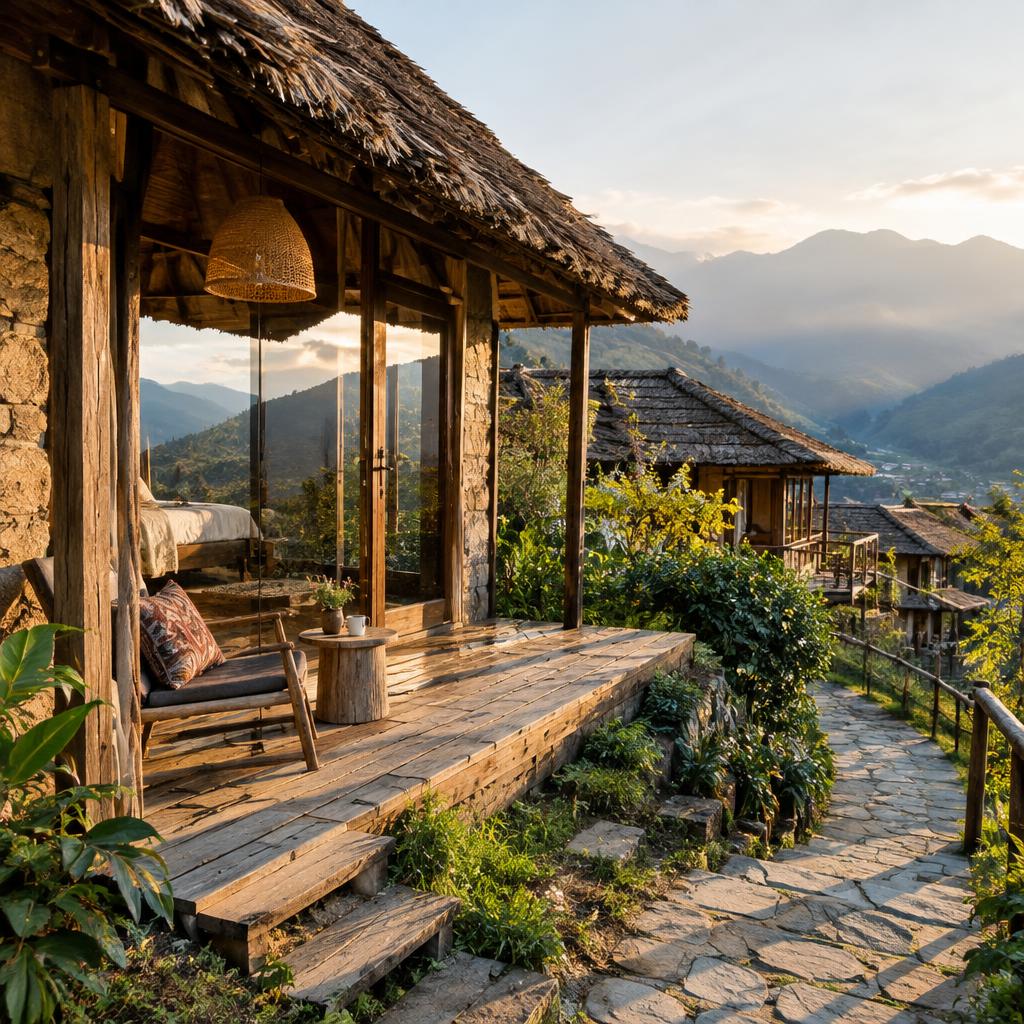
When planning your trip, consider the environmental and social credentials of your accommodation. Opt for locally-owned homestays or eco-lodges that prioritize sustainable operations, such as responsible waste management, water conservation, and energy efficiency. These establishments often integrate directly with the local community, offering a more authentic experience while reducing environmental impact.
During trekking, which is a highlight of any Sapa visit, adherence to responsible practices is crucial:
- Stay on Marked Trails: This prevents soil erosion, protects delicate flora, and respects agricultural land.
- Pack Out All Trash: Leave no trace behind. Carry reusable water bottles and bags to minimize waste.
- Respect Wildlife: Observe animals from a distance and avoid disturbing their natural habitats.
- Hire Local Guides: This not only provides direct economic benefit to the community but also ensures you have an informed and culturally sensitive experience, often leading to hidden gems.
Interactions with local communities should always be based on respect and sensitivity. Learning a few basic phrases in Vietnamese or a local dialect can greatly enhance your interactions. Always ask for permission before taking photographs, especially of individuals. Dress modestly, particularly when visiting villages or religious sites, to show respect for local customs. Engaging in fair bargaining for goods and services is acceptable, but avoid aggressive haggling that exploits local vendors.

Supporting Local Communities
Supporting Sapa’s local communities is fundamental to sustainable tourism, ensuring that economic benefits directly reach indigenous people and help preserve their unique cultural heritage. This direct financial contribution empowers locals and prevents over-reliance on external developers.
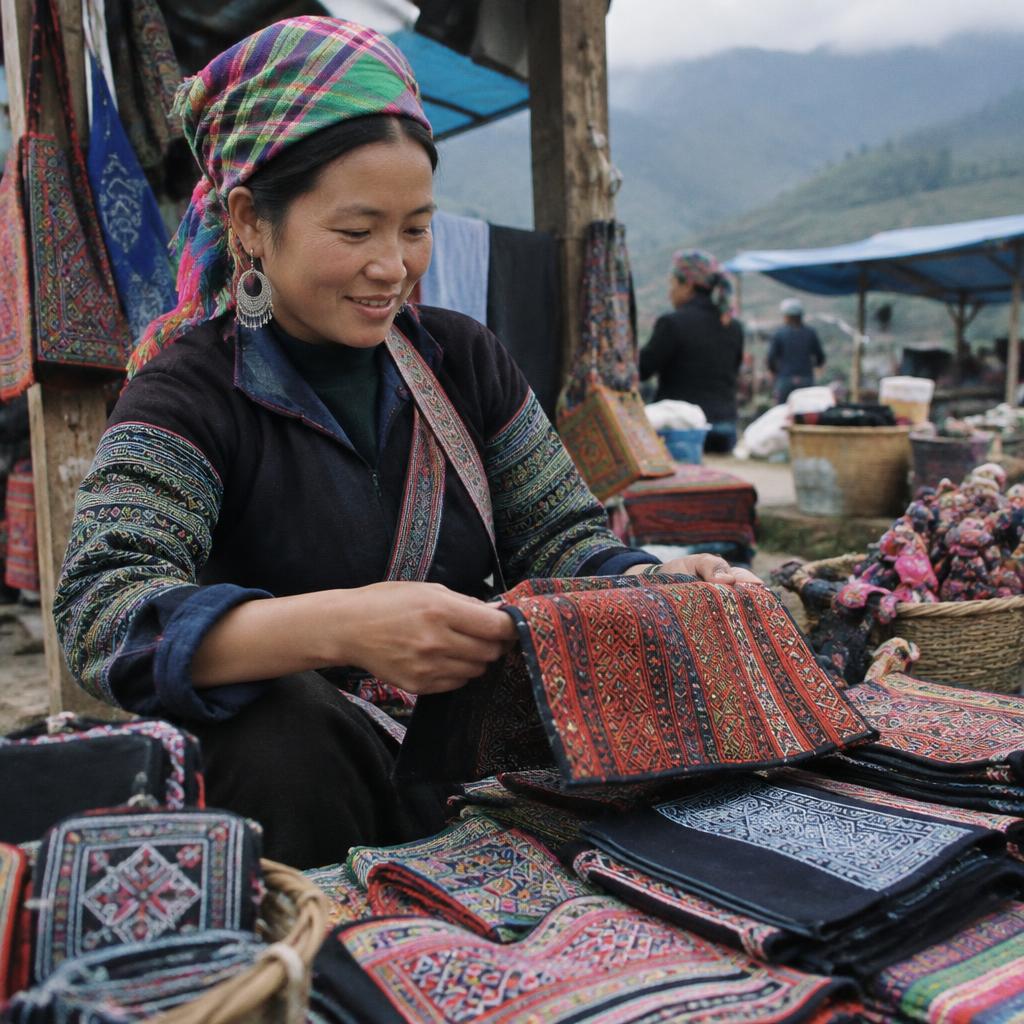
One of the most impactful ways to support local communities is by purchasing handicrafts directly from the artisans themselves. Seek out village markets or small workshops where you can observe the creation process and engage with the craftspeople. This not only ensures that your money goes directly to the producers but also helps preserve traditional skills that might otherwise fade in the face of mass-produced alternatives. These authentic souvenirs carry a story and a connection to Sapa’s cultural soul.
Dining at local restaurants and street food stalls also channels funds directly into the community. Explore family-run eateries that use fresh, locally sourced ingredients. This experience offers a taste of authentic Sapa cuisine and supports local farmers and small business owners. Engaging with local service providers, such as hiring porters or staying in community-managed homestays, similarly strengthens the local economy and provides income opportunities where they are most needed. Our platform, Tinny Travel, aims to connect travelers with diverse options that often include locally-driven initiatives across Vietnam.
How Can Travelers Mitigate Negative Impacts in Sapa?
Travelers can mitigate negative impacts in Sapa by being mindful of their waste, respecting cultural boundaries, and choosing tour operators committed to ethical practices, thereby preventing environmental damage and cultural appropriation. These conscious decisions protect both the landscape and its people.
The issue of waste management is particularly critical in Sapa. Visitors should strive to minimize their consumption of single-use plastics by carrying reusable water bottles, coffee cups, and shopping bags. Any waste generated should be disposed of responsibly, or better yet, carried out of the more pristine areas if proper disposal facilities are scarce. This “pack it in, pack it out” mentality is vital for preserving Sapa’s natural beauty.
Cultural sensitivity extends to interactions with children. While it may seem benevolent to give money or sweets to children, this practice can inadvertently encourage begging and disrupt their schooling. Instead, consider donating to legitimate local educational or community development projects, or purchasing goods from their families. This fosters sustainable support rather than creating dependency.
Furthermore, be vigilant about what you purchase. Avoid buying items made from endangered species or products that exploit local resources unsustainably. When participating in cultural tours, ensure that the experience is genuinely authentic and not a staged performance designed purely for tourist consumption. Always question the ethics behind commercial offerings and choose those that truly benefit the community and preserve its heritage.
Future of Sustainable Tourism in Sapa
The future of sustainable tourism in Sapa hinges on collaborative efforts between local authorities, tour operators, and travelers to implement and adhere to responsible practices, fostering long-term preservation and equitable development. Innovations in green technology and community-based tourism models are expected to play a crucial role.
By 2026, we anticipate a more pronounced shift towards certified eco-friendly accommodations and tour operators in Sapa. Government policies are increasingly focusing on regulating tourism development to prevent over-commercialization and protect sensitive areas. This includes stricter guidelines for infrastructure development and waste management, alongside incentives for businesses that adopt green practices. The rise of digital platforms also allows travelers to easily identify and book tours that explicitly commit to sustainable principles.
Community-led tourism initiatives are gaining significant traction, empowering local ethnic groups to manage and benefit directly from tourism. These models often involve authentic homestays, traditional craft workshops, and guided treks led by community members, providing visitors with a deeper, more meaningful cultural exchange while ensuring economic returns stay within the community. The emphasis is moving from mere sightseeing to immersive, educational experiences that foster mutual respect and understanding.
Technological advancements are also contributing to a more sustainable future. For instance, improved waste-to-energy solutions and renewable energy sources are being explored to reduce the environmental footprint of growing tourism infrastructure. Additionally, sophisticated online platforms are simplifying the process for travelers to book responsible tours and bus ticket booking Vietnam, making sustainable travel choices more accessible than ever before. This integrated approach, combining policy, community empowerment, and technological innovation, promises a more resilient and responsible tourism landscape for Sapa.
Conclusion
Sapa, with its unparalleled natural beauty and deep cultural roots, remains a captivating destination in Vietnam. The ongoing commitment to sustainable travel in 2026 is not merely a trend but a necessity to safeguard its delicate balance. Each traveler holds the power to make a significant difference through conscious choices, supporting local economies, and respecting the environment and indigenous cultures.
By actively choosing responsible accommodations, engaging ethically with local communities, minimizing environmental impact, and advocating for sustainable practices, visitors contribute directly to Sapa’s long-term well-being. This collective effort ensures that the breathtaking terraced fields, the towering peaks, and the vibrant traditions of its people continue to thrive, offering authentic and enriching experiences for generations to come.