
Navigating Vietnam by bus offers an authentic, affordable, and scenic way to explore the country, making it a top choice for many travelers in 2026. This comprehensive Vietnam bus travel guide 2026 provides all the essential information beginners need to embark on a memorable journey, from understanding bus types to booking tickets and ensuring a smooth trip.
Understanding Bus Travel in Vietnam
Bus travel in Vietnam is a widely adopted mode of transportation, connecting major cities, remote towns, and tourist destinations efficiently and cost-effectively. It serves as the primary inter-city public transport, offering travelers a deep immersion into the local landscapes and culture that often goes unnoticed from other travel perspectives.
The network of routes is extensive, reaching almost every corner of the country, from the northern mountains to the southern deltas. Buses vary significantly in comfort and amenities, catering to different budgets and travel preferences, which makes them suitable for both backpackers and those seeking a more comfortable journey. In 2026, the industry continues to evolve with improved services and online booking capabilities, making it more accessible than ever for international visitors to explore.

What Types of Buses and Routes Are Available?
Vietnam’s bus fleet is diverse, primarily featuring sleeper buses for long-haul journeys and seated buses for shorter distances, alongside more luxurious limousine-style vans for premium travel. These options provide varying levels of comfort and price points, ensuring there’s a suitable choice for every traveler looking to explore Vietnam’s vast landscapes and vibrant cities.
Sleeper Buses (Xe Giường Nằm)
Sleeper buses are a popular choice for overnight travel or long distances, designed with bunk beds instead of seats, allowing passengers to lie down and rest. Each berth typically includes a pillow, blanket, and sometimes individual screens or charging ports, making lengthy journeys more comfortable and practical. They are an economical way to cover significant ground, such as traveling from Hanoi to Da Nang, while saving on accommodation costs.
Seated Buses (Xe Ghế Ngồi)
Seated buses are common for shorter trips between towns or within provinces, offering standard upright seating similar to conventional coaches. These are generally the most affordable option and are ideal for daytime travel where the journey duration is manageable. You’ll find these buses connecting places like Da Lat to Nha Trang, providing a straightforward and traditional travel experience.
Limousine Vans and Minivans
For those seeking enhanced comfort and convenience, limousine vans and luxury minivans offer a more premium experience with spacious, plush reclining seats, air conditioning, and often complimentary water. These services usually operate on popular tourist routes, such as between Hanoi and Sapa or from Ho Chi Minh City to Mui Ne, providing a quicker and more comfortable alternative to larger buses. They typically have fewer passengers, ensuring a more personalized journey.
Popular Bus Routes and Destinations
The bus network efficiently links Vietnam’s major tourist hubs and hidden gems, offering routes that cater to all travel itineraries. Popular routes include journeys connecting the bustling cities of Hanoi and Ho Chi Minh City, or scenic trips to mountainous regions like Sapa and Ha Giang. Coastal destinations such as Da Nang, Hoi An, and Nha Trang are also well-served, making multi-city exploration seamless.
For instance, travelers can easily find buses for a Ba Be Lake tour from Hanoi, or connect between cultural sites like Hue and Hoi An. These routes are frequently serviced, especially those leading to well-known attractions, ensuring flexibility for travelers to plan their adventures across Vietnam.
How to Book Bus Tickets Online and Offline in 2026
Booking bus tickets in Vietnam in 2026 is a straightforward process, with options available both online for convenience and offline for last-minute or local purchases. Online booking platforms have become increasingly sophisticated, offering real-time availability and secure payment methods, while traditional methods remain viable for those who prefer direct interaction or are in remote areas.
Online Booking Platforms
Online booking is the most convenient method for securing bus tickets in advance, especially for popular routes or during peak seasons. Platforms like Tinny Travel allow you to browse schedules, compare prices, and select your preferred seats from various bus operators all in one place. Using these platforms helps travelers secure cheap bus tickets Vietnam without the language barrier sometimes encountered at bus stations.
When booking online, you typically receive an e-ticket via email or a booking confirmation that can be shown on your mobile device. It’s advisable to book a few days in advance for long journeys or during public holidays to ensure availability. Many platforms also offer customer support to assist with any queries or changes to your booking.
Offline Booking Options
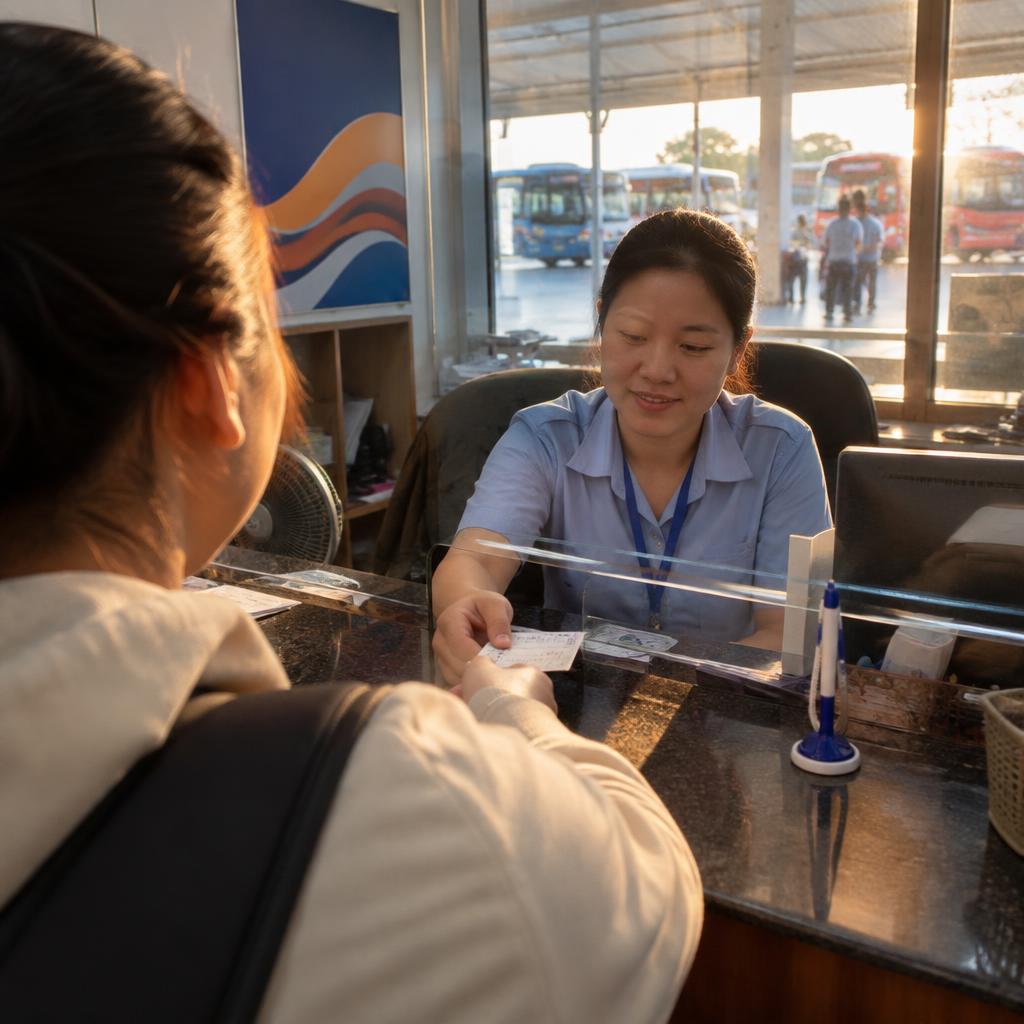
For those who prefer to book in person, bus stations (bến xe) are the primary points of sale, found in most towns and cities across Vietnam. Here, you can purchase tickets directly from the bus company counters, providing an opportunity to clarify details and choose your seat on the spot. This method is particularly useful for spontaneous trips or for shorter, less frequented routes.
Additionally, many local travel agencies, hotels, and guesthouses offer bus ticket booking services, often for a small commission. This can be a convenient option, especially if you need assistance with language or want to book several legs of your journey at once. While slightly more expensive, it provides a personalized service and local expertise.
Essential Tips for a Smooth Bus Journey
Ensuring a smooth bus journey in Vietnam involves a few key preparations and considerations to enhance your travel experience. Being prepared can help mitigate common challenges and allow you to fully enjoy the scenic routes and cultural encounters that bus travel offers.
- Book in Advance: For popular routes or during peak travel times, secure your tickets a few days ahead to guarantee your spot and preferred departure time.
- Arrive Early: Aim to be at the bus station or designated pickup point at least 30 minutes before departure. This allows time for checking in, storing luggage, and finding your seat without rush.
- Pack Smart: Keep essential items like water, snacks, a travel pillow, earplugs, and an eye mask easily accessible in your carry-on. Your main luggage will typically be stored in the bus’s cargo hold.
- Stay Hydrated and Bring Snacks: While some buses offer water, it’s always wise to bring your own, along with some light snacks, especially on longer journeys where food stops might be infrequent or limited.
- Be Mindful of Valuables: Always keep your passport, money, and electronics with you, rather than in checked luggage. Store them securely on your person or in a small bag close by.
- Learn Basic Phrases: A few simple Vietnamese phrases, such as “Xin chào” (hello), “Cảm ơn” (thank you), and “Bao nhiêu tiền?” (how much?), can be incredibly helpful for interacting with staff and locals.
- Dress Comfortably: Wear loose, comfortable clothing suitable for sitting for extended periods, and bring a light jacket as air conditioning on buses can sometimes be quite strong.
Safety and Comfort Considerations for Bus Travel
Prioritizing safety and comfort during bus travel in Vietnam is paramount, involving aspects from vehicle condition to personal well-being on long journeys. Modern bus services have significantly improved safety standards, but travelers should still take proactive steps to ensure a pleasant and secure experience.
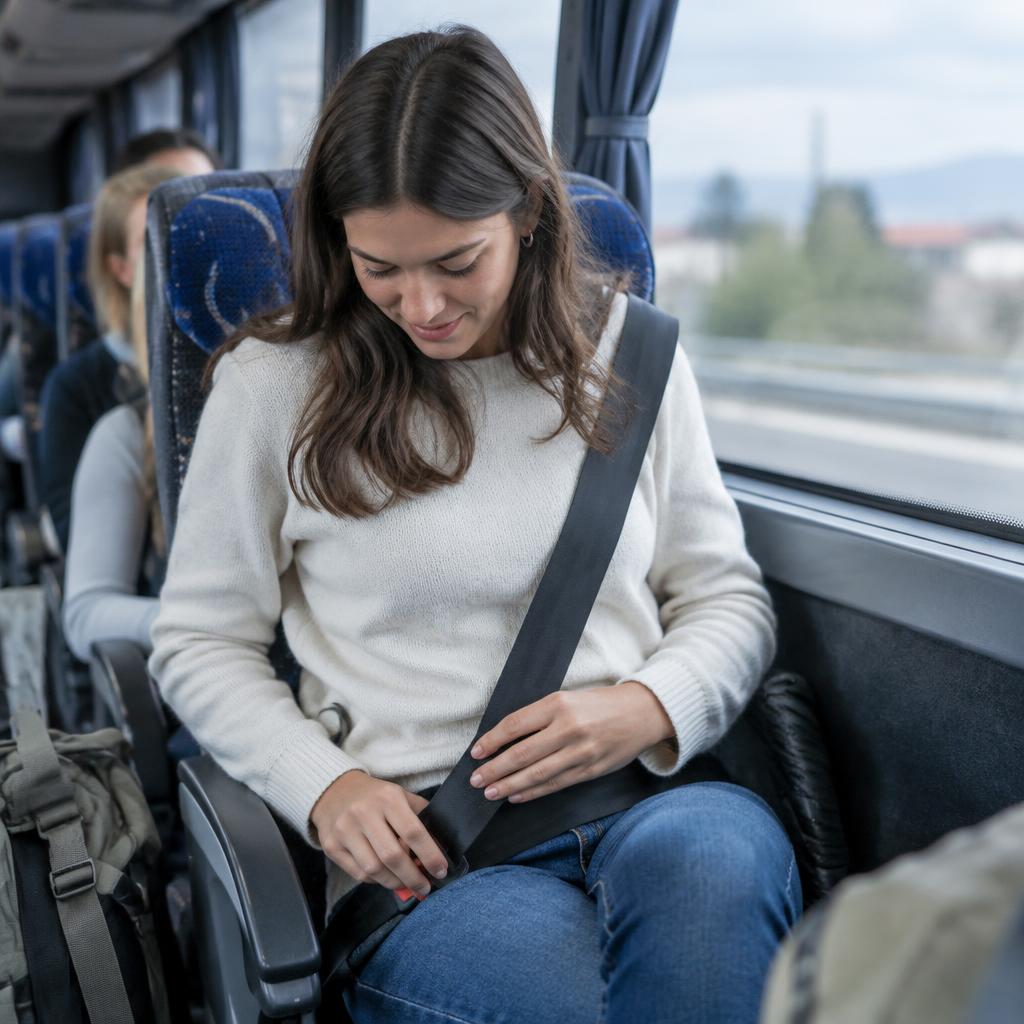
Firstly, choose reputable bus operators known for their good safety records and well-maintained vehicles. Companies that prioritize passenger safety often have newer buses with features like seatbelts and professional drivers. When selecting a service, consider reading recent reviews or booking through trusted platforms like Tinny Travel, which often partner with established operators.
For comfort, remember that road conditions can vary, so light motion sickness medication might be useful for some. Sleeper buses offer a chance to lie down, which can significantly improve comfort on longer trips, but be aware that berths can be compact. Always keep your personal belongings, especially valuables, close at hand and never leave them unattended, even during short stops.
Commonly Asked Questions About Bus Travel in Vietnam
Many first-time travelers to Vietnam have questions about bus travel, ranging from luggage allowances to journey durations and specific amenities. Addressing these common queries helps demystify the experience and prepares travelers for a smoother trip across the country.
What is the typical luggage allowance on Vietnamese buses?
Most bus companies in Vietnam allow one large piece of luggage to be stored in the cargo hold and a small carry-on bag to be brought inside the bus. While specific weight limits aren’t always strictly enforced, it’s courteous to keep your checked luggage to a reasonable size and weight. Always keep valuables and essential documents with you in your carry-on bag.
Are there restrooms on board long-distance buses?
Many long-distance sleeper buses are equipped with a small, basic restroom. However, these facilities can sometimes be less than ideal. For journeys exceeding a few hours, buses typically make scheduled stops every 2-3 hours at roadside rest areas where passengers can use cleaner facilities, buy snacks, and stretch their legs. It’s always a good idea to use these stops.
Is it possible to communicate with bus staff if I don’t speak Vietnamese?
While not all bus staff may speak fluent English, many are accustomed to dealing with international tourists and will often use gestures or simple English phrases. Having a translation app on your phone can be very helpful, especially for clarifying departure times, destinations, or specific requests. Don’t be afraid to try communicating, as locals are generally very helpful.
Conclusion: Your Adventure Awaits with Tinny Travel
Bus travel in Vietnam in 2026 offers an unparalleled opportunity to experience the country’s diverse landscapes and vibrant culture in an accessible and memorable way. From the comfort of a sleeper bus winding through mountain passes to a quick ride connecting coastal towns, it’s a journey that promises both adventure and convenience.
Embrace the local way of travel, prepare with these essential tips, and get ready to create lasting memories. For seamless planning and reliable bookings, we encourage you to explore our services. Whether you’re looking for bus ticket booking Vietnam or comprehensive Vietnam tour packages, Tinny Travel is your trusted partner for discovering the wonders of Vietnam and Southeast Asia. Plan your next adventure today and let us help you experience the best of this captivating country.